

Plain chai, made from black tea leaves and whole spices, is naturally gluten-free. If you have celiac disease or serious gluten sensitivity, the safest path is simple: choose products labeled “certified gluten-free” or brew your own chai at home from whole ingredients. Processed powders, concentrates, and flavored latte mixes are where the risk lives, and those need a label check before you trust them.
Key Takeaways
Plain chai is naturally gluten-free, but processed chai products require label verification because additives and cross-contact can introduce gluten at any stage of manufacturing.
| Point | Details |
|---|---|
| Plain chai is naturally safe | Black tea and whole spices contain no gluten; the risk enters with processing and additives. |
| Certified gluten-free is the standard | The FDA requires under 20 ppm of gluten for this label — the only verified threshold for celiac safety. |
| Powdered mixes carry the highest risk | Instant chai powders often contain maltodextrin, malt, or “natural flavors” that may be gluten-derived. |
| Three questions to ask at any café | Ask about concentrate ingredients, cross-contact controls, and certified gluten-free status before ordering. |
| Dropoutchaiwala premix | Check the product page for current allergen info; contact the brand for lab-test details if needed. |
Table of Contents
- Why chai is naturally gluten-free
- Where gluten can hide in chai products
- Is chai at Starbucks and other chains gluten-free?
- How to check store-bought chai mixes, concentrates, and powdered lattes
- How to make a simple gluten-free chai at home
- Practical steps to avoid cross-contamination at home and when buying
- What celiac experts and organizations say
- Watch out for chai-flavored snacks and desserts
- A note on building safer chai habits
- Dropoutchaiwala premix: a convenient option worth checking
- Sources
Why chai is naturally gluten-free
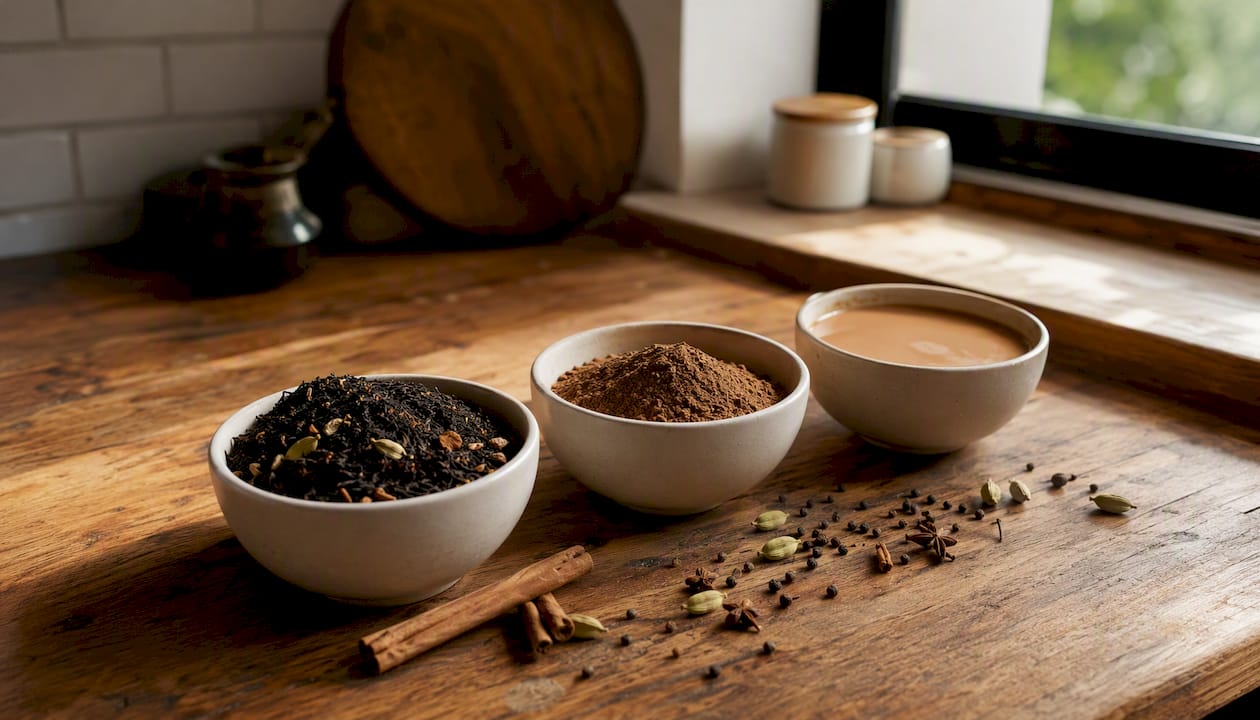
Traditional chai is a beautifully simple drink. Its core ingredients contain no gluten whatsoever:
- Black tea leaves (loose-leaf or bagged)
- Cardamom (whole pods or ground)
- Cinnamon (sticks or ground)
- Fresh or dried ginger
- Cloves
- Black pepper
- Milk (dairy or plant-based)
- Sweetener (sugar, honey, or jaggery)
Gluten is a protein found in wheat, barley, and rye. None of those grains appear in a traditional chai recipe, which is why a cup brewed from scratch is a safe choice. Understanding what masala chai is actually made of makes it easier to spot when a commercial product has drifted from that tradition.
One small caveat worth flagging early: tea bags. Most are sealed with cellulose or abaca-based materials, but some sealing adhesives have historically used wheat-based starch. For most people, this is a non-issue. For those with extreme sensitivity, it is worth a quick call to the manufacturer to confirm the sealing material.
Where gluten can hide in chai products
The spices themselves are rarely the problem. The risk shows up once a product moves away from whole ingredients and into processed formats. According to the National Celiac Association, flavored teas, tea bags, and processed chai products can pose risks from added ingredients and cross-contact.
Hidden ingredients to watch for:
- Malted barley or barley malt extract (used in some flavored blends for sweetness and depth)
- Wheat-based thickeners or wheat starch (found in some powdered mixes)
- Maltodextrin derived from wheat (a common carrier in instant powders)
- “Natural flavors” — a catch-all term that can legally include derivatives from gluten-containing grains
Cross-contact risks are equally real. Shared manufacturing lines are a documented concern: a facility that processes wheat-containing products alongside chai powders can transfer trace gluten without any intentional addition. As LetsGoGlutenFree notes, many commercial chai powders and concentrates may include malt-derived or wheat-based additives and require verification.
Higher-risk product types include instant chai powders, pre-made concentrates, latte pods, and ready-to-drink (RTD) chai beverages. These formats involve more processing steps and more opportunities for additives to enter the mix. Loose-leaf blends of tea and whole spices carry the lowest risk by a significant margin.
Is chai at Starbucks and other chains gluten-free?
Ordering chai at a coffee shop requires a bit more detective work than brewing at home. Here are three questions worth asking at any café or chain:
- “What’s in your chai concentrate or syrup?” Ask staff to check the ingredient list on the concentrate bottle. Look specifically for malt, barley, wheat, or “natural flavors” with no further specification.
- “Is there any cross-contact risk in how this drink is prepared?” Steam wands and pitchers are shared across drinks. If a pitcher was used for a malt-based beverage and not thoroughly cleaned, trace gluten can transfer.
- “Does your chai syrup or concentrate carry a certified gluten-free label?” Some chains use certified products; many do not. The answer tells you how much verification the brand has done on your behalf.
Starbucks specifically: Their chai latte is built on a spiced black tea concentrate. The concentrate’s ingredient list and allergen statement are publicly available and worth reviewing before ordering. Cross-contact is a real consideration in a busy café environment where baristas handle many products. People with celiac disease should ask about preparation practices at their specific location, since procedures can vary.
Indian restaurants and local tea houses present a different set of variables. Many brew chai fresh from whole spices, which is ideal. Others use powdered premixes, which carry the same risks as any commercial mix. Ask whether the chai is brewed from scratch or from a powder, whether shared utensils are used for other dishes, and how the spice blends are stored.
How to check store-bought chai mixes, concentrates, and powdered lattes
Reading a label carefully takes about 90 seconds and can save a lot of discomfort. Here is a practical checklist:
- Scan the ingredient list for malt, malted barley, wheat, wheat starch, or wheat-derived maltodextrin.
- Look for a “certified gluten-free” logo from a recognized body such as the Gluten-Free Certification Organization (GFCO) or NSF International.
- Read the allergen statement at the bottom of the ingredient panel. “Contains wheat” or “may contain wheat” is a clear signal to avoid the product.
- Check “may contain” or “processed in a facility” warnings — these indicate shared-line cross-contact risk.
- Contact the manufacturer if the label is ambiguous. Ask specifically about shared production lines, testing thresholds, and whether the sealing materials for tea bags are wheat-free.
As Fig App’s consumer guide stresses, reading ingredient lists and checking for certified gluten-free logos matters because manufacturing and added flavorings can introduce gluten into products that look safe at first glance.
Comparing product types at a glance:
| Product type | Safety risk | Labeling clarity | Best use |
|---|---|---|---|
| Loose-leaf tea + whole spices | Lowest (no processing additives) | Ingredient list is simple to read | Homemade control, highest safety |
| Tea bags (plain, unflavored) | Low to moderate (sealing material) | Usually clear; check manufacturer | Quick brew, verify bag materials |
| Chai concentrate | Moderate to high (additives, shared lines) | Variable; look for certified label | Convenience, only if certified |
| Powdered chai mix | Highest (maltodextrin, malt, flavorings) | Often unclear; requires scrutiny | Avoid unless certified gluten-free |
Brands that publish full allergen statements and third-party certification details are worth prioritizing. Formulations change, so re-check labels periodically even for products you have used before. AllowedOn’s guide recommends checking specifically for malt, wheat, or “may contain” warnings as the three non-negotiables.
How to make a simple gluten-free chai at home
Brewing your own chai is the most reliable way to guarantee a gluten-free cup. This stovetop version takes about 15 minutes and uses nothing but whole ingredients.
You will need:
- 1 tablespoon loose-leaf black tea (or 2 plain, unflavored tea bags)
- 4 cardamom pods, lightly crushed
- 1 small cinnamon stick
- 3–4 slices fresh ginger (or ½ teaspoon ground)
- 3 whole cloves
- 4–5 black peppercorns
- 1½ cups water
- 1 cup milk (dairy, oat, almond, or coconut)
- Sweetener to taste
Method:
- Simmer the spices. Combine water and all spices in a small saucepan. Bring to a gentle boil, then reduce heat and simmer for 5 minutes to let the flavors develop.
- Add tea and milk. Add the tea leaves (or bags) and milk. Simmer for another 3–4 minutes, stirring occasionally. Do not let it boil hard or the milk will scorch.
- Strain and serve. Pour through a fine-mesh strainer into your mug. Sweeten to taste and drink immediately.
Make-ahead concentrate: Double the spice and tea quantities, use only water (no milk), and simmer for 10 minutes. Strain and store in a sealed jar in the refrigerator for up to 5 days. Add warm milk when ready to serve. For a cold version, the cold brew chai method works beautifully with this same spice blend.
Pro Tip: When choosing a sweetener, opt for plain cane sugar, honey, or pure maple syrup. Some flavored syrups and sugar substitutes use maltodextrin as a carrier — check the label or stick to the simple options.
Practical steps to avoid cross-contamination at home and when buying
For people with celiac disease, cross-contact is as serious as a direct gluten ingredient. These steps reduce that risk significantly:
- Store chai spices and tea separately from any gluten-containing products, ideally in a dedicated shelf or cabinet.
- Use dedicated utensils — a separate spoon, strainer, and saucepan reserved for gluten-free cooking removes a common transfer route.
- Never use bulk-bin scoops for spices or tea. Shared scoops in bulk sections are a well-documented cross-contact source.
- Clean steam pitchers and wands thoroughly before making a chai latte at home or ask café staff to do so before your order.
- Read “shared facility” statements on every packaged product. A facility that also handles wheat, barley, or rye products carries inherent cross-contact risk regardless of the ingredient list.
- Ask manufacturers directly about their testing protocols, the gluten threshold they test to, and whether tea-bag sealing materials are wheat-free.
When buying concentrates, the chai tea concentrate alternatives guide from Font Coffee Roasters is a useful reference for identifying brands that publish allergen transparency.
Pro Tip: When in doubt, brew from whole ingredients at home. A jar of homemade chai concentrate in the fridge means you always have a safe, ready option without relying on a label you cannot fully verify.
What celiac experts and organizations say
The authoritative guidance on chai and gluten is consistent across major organizations, and it comes down to a clear hierarchy of risk.
The FDA’s gluten labeling standard sets the threshold: a product labeled “certified gluten-free” in the United States must contain less than 20 parts per million (ppm) of gluten. That is the benchmark celiac specialists point to when recommending products for medically sensitive individuals.
The National Celiac Association is direct: plain tea is usually safe, but flavored teas, tea bags, and processed chai products can pose risks from added ingredients and cross-contact. Their recommendation is to choose certified gluten-free products when the stakes are high.
Celiac echoes this: plain tea is commonly gluten-free, but flavored blends, instant mixes, and chai latte products need label scrutiny because added ingredients and packaging can introduce gluten or cross-contact.
Key takeaways from the expert consensus:
- Plain loose-leaf tea and whole spices are low-risk for people with celiac disease.
- Flavored, instant, or concentrate-based chai products require label verification every time.
- “Certified gluten-free” is the only label that carries a tested, verified standard (under 20 ppm per FDA rules).
- Cross-contact from shared manufacturing lines is a real and documented risk, not a theoretical one.
20 ppm is the FDA’s maximum gluten threshold for a “certified gluten-free” label — the gold standard for celiac safety when choosing any packaged chai product.
Research also shows that common chai spices have genuine digestive benefits, including carminative effects that can support gut comfort. Those benefits hold only when the spices are free from hidden gluten-containing additives, which is one more reason to prioritize whole-ingredient chai.
Watch out for chai-flavored snacks and desserts
Chai has become a popular flavor profile well beyond the mug. Chai-spiced cookies, cakes, granola bars, protein bars, oatmeal packets, and ice cream are all common pairings or café accompaniments, and most of them are not gluten-free by default.
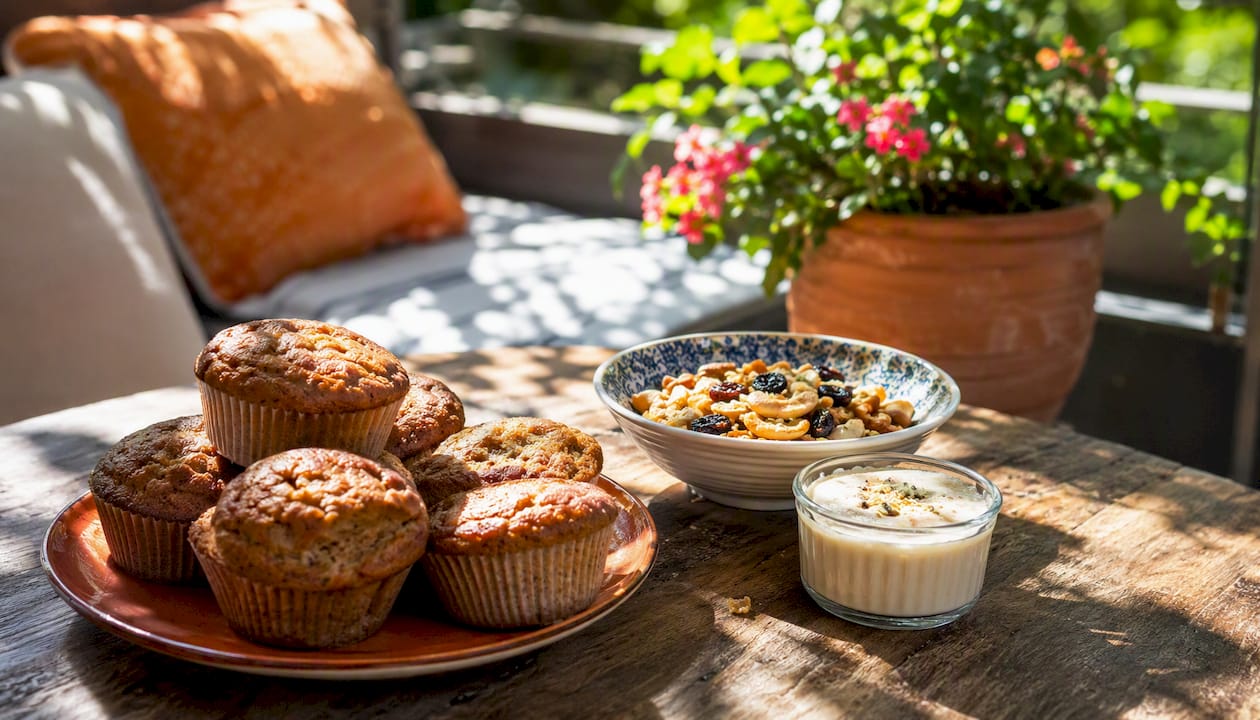
Chai-flavored baked goods almost always contain wheat flour. Chai granola and oat-based snacks carry a double risk: oats themselves can be cross-contaminated with wheat during processing unless they are certified gluten-free, and the chai flavoring added to them may include malt-based ingredients. Chai-flavored protein bars and energy bites frequently use barley malt syrup as a binding sweetener.
Even chai-spiced ice cream or yogurt parfaits can be problematic if the chai flavoring used by the manufacturer contains wheat-derived carriers. The spice flavor alone does not make a product safe.
The safest approach: treat any chai-flavored packaged snack or dessert as a separate label-reading exercise from the chai beverage itself. A brand that makes a certified gluten-free chai tea does not automatically make its chai cookies gluten-free. Check each product independently, look for the certified gluten-free logo, and when in doubt, pair your chai with a snack you have verified yourself.
A note on building safer chai habits
The more time spent with chai, the clearer one thing becomes: the drink itself has never been the problem. Whole spices, good tea, warm milk — that combination has been naturally gluten-free for centuries. The complexity crept in with convenience formats, and that is where attention needs to go.
The habit worth building is a simple one. Keep a small jar of homemade chai concentrate in your refrigerator, or have a certified premix on hand that you have already verified. That way, whether it is a rushed Tuesday morning or a slow weekend afternoon, you are not making a safety decision under pressure. You already made it.
Dropoutchaiwala premix: a convenient option worth checking
For people who want the warmth of traditionally spiced chai without brewing from scratch every time, Dropoutchaiwala’s chai premix range offers a genuinely convenient alternative. The blends, including masala, classic, ginger, and cardamom, are built around the same whole-spice tradition that makes chai naturally low-risk in the first place.

Before purchasing, check the current product page for the full ingredient list and allergen statement. Formulations can change, and the product page is the most up-to-date source. If you need lab-test details or have questions about shared manufacturing lines, contact the brand directly. For celiac-grade safety, that conversation is worth having before your first order.
Ready to try it? The Masala Chai premix pouch is a good starting point. Visit Dropoutchaiwala to browse the full range and place an order.
Sources
- Is Tea Gluten-Free - National Celiac Association
- Celiac
- Is Chai Tea Allowed on Gluten-Free? | AllowedOn
- Is chai tea gluten free? | Fig App
- Is Chai Tea Gluten-Free? 2026 Complete Guide - LetsGoGlutenFree
If you have celiac disease or a diagnosed gluten-related condition, consult your clinician or a registered dietitian before making changes to your diet based on general information. This article is for informational purposes and is not a substitute for personalized medical advice.
