

Masala chai is genuinely good for you, provided you keep the sugar low and the spices real. This spiced black tea, a staple of Ayurvedic tradition for centuries, delivers a meaningful combination of polyphenols, anti-inflammatory compounds, and a gentler caffeine hit than coffee. The research is not perfect, but it is encouraging enough that registered dietitians characterize it as a supportive wellness beverage rather than a passing trend.
Here are the three benefits most consistently backed by evidence:
- Antioxidant support from black tea polyphenols and high-ORAC spices like cloves and cinnamon
- Digestive relief, particularly from ginger and cardamom, which calm nausea and bloating
- Steady, focused energy from caffeine paired with L-theanine, the amino acid in black tea that takes the edge off jitteriness
Pro Tip: Skip the premixed concentrate. Many commercial chai concentrates contain over 30 g of added sugar per serving, which erases most of the metabolic benefits. Brew it yourself or choose a low-sugar premix, and use unsweetened oat or low-fat dairy milk.
Table of Contents
- What’s actually inside masala chai, and why does it matter?
- 1. Ginger soothes digestion and relieves nausea
- 2. Antioxidants in chai fight cellular damage
- 3. Cinnamon helps support healthy blood sugar levels
- 4. Black tea polyphenols support heart health
- 5. Caffeine plus L-theanine gives you calm, steady focus
- 6. Chai may support modest weight management
- 7. Cardamom and cloves offer antimicrobial and immune support
- How to drink masala chai for the most benefit
- How does masala chai compare to coffee?
- What the research actually shows
- Key Takeaways
- The honest case for chai as a daily habit
- Authentic masala chai, made easy with Dropoutchaiwala
- Useful sources and further reading
What’s actually inside masala chai, and why does it matter?
Every cup of masala chai is a small pharmacopeia. The base is black tea, which supplies theaflavins, catechins, and L-theanine. The spice blend typically includes cinnamon, ginger, cardamom, cloves, and black pepper, each carrying its own active compound.
| Ingredient | Key Active Compound(s) | Primary Mechanism |
|---|---|---|
| Black tea | Theaflavins, catechins, L-theanine | Antioxidant, cardiovascular support, calm focus |
| Cinnamon | Cinnamaldehyde, polyphenols | Blood glucose modulation, anti-inflammatory |
| Ginger | Gingerols, shogaols | Anti-nausea, anti-inflammatory, digestive motility |
| Cardamom | Cineole, terpenes | Antimicrobial, digestive comfort, breath freshening |
| Cloves | Eugenol | Potent antioxidant, antimicrobial |
| Black pepper | Piperine | Bioavailability enhancer, anti-inflammatory |
Milk changes the nutritional picture noticeably. A quarter to half cup of whole milk adds roughly 2–4 g of protein and 78–155 mg of calcium per serving, making a milky chai more satisfying than plain black tea. Milk may also blunt caffeine absorption slightly, which helps sensitive drinkers avoid a sharp spike. Sweetener, on the other hand, adds calories without adding any of the compounds that make chai worth drinking.
Spices like cinnamon and cloves rank among the highest-antioxidant foods measured in large antioxidant-capacity surveys, which partly explains why a single cup of well-made masala chai can deliver a meaningful polyphenol load.
1. Ginger soothes digestion and relieves nausea
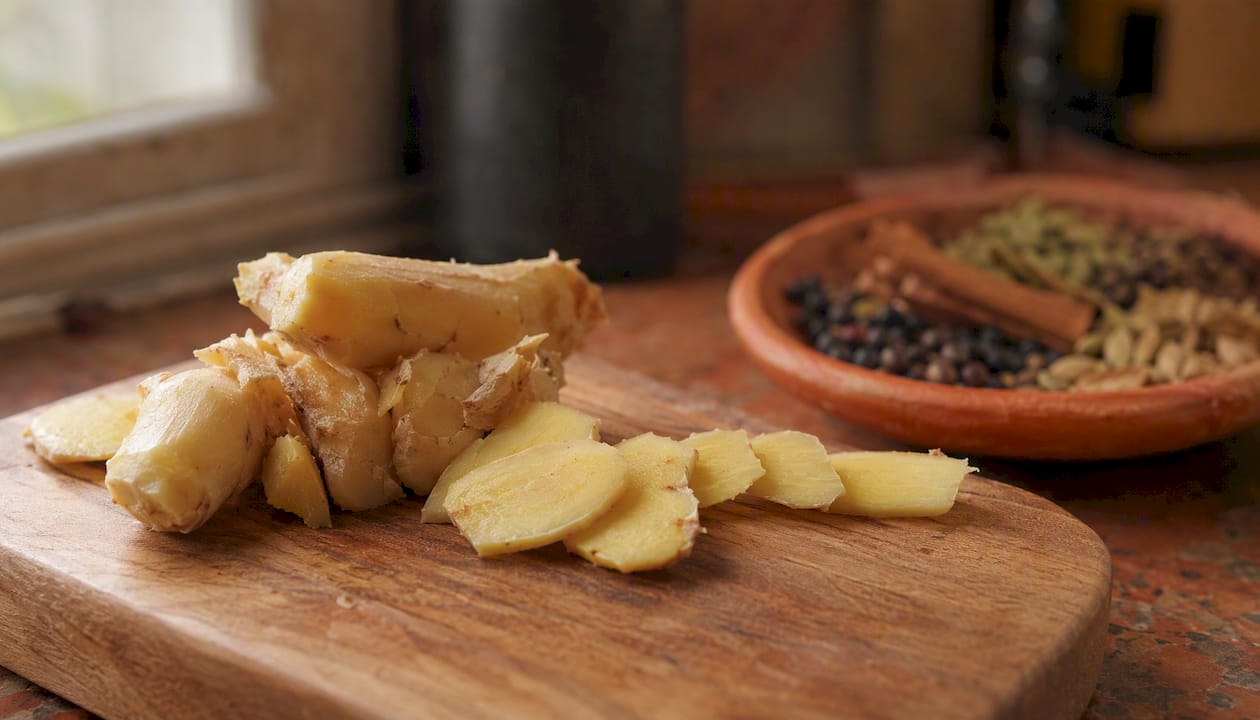
Ginger is the most clinically studied spice in the chai blend for digestive outcomes. Clinical trials show that roughly 1–1.5 g of ginger daily reliably reduces nausea, including pregnancy-related morning sickness and post-operative nausea. Gingerols and shogaols accelerate gastric emptying and reduce gut spasms, which is why a cup of chai often settles an unsettled stomach faster than plain tea.
Evidence level: multiple randomized controlled trials in humans.
Pro Tip: For maximum digestive benefit, use a heavier hand with fresh or dried ginger when brewing. A ginger-forward chai blend is a practical shortcut if you want a consistent dose without measuring.
2. Antioxidants in chai fight cellular damage
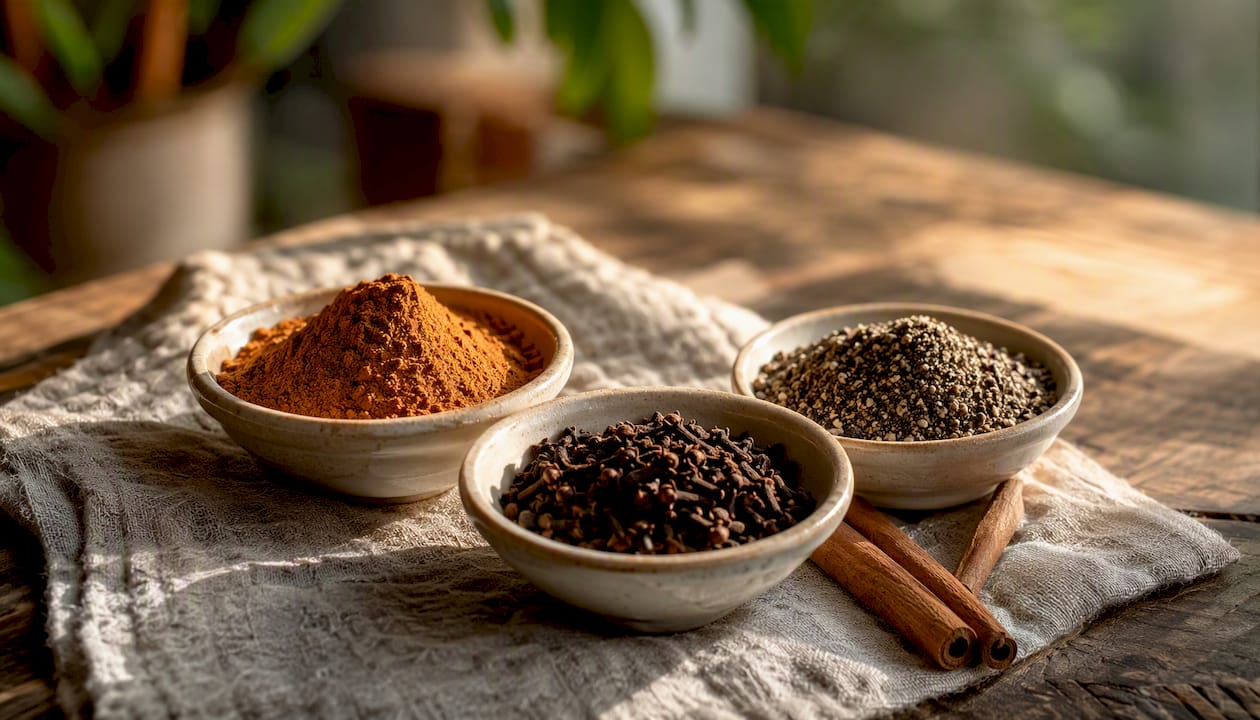
Black tea’s theaflavins and the antioxidant and anti-inflammatory properties of chai spices combine to give masala chai a notably high antioxidant profile. Cloves, in particular, contain eugenol, one of the most potent natural antioxidants measured per gram. These compounds neutralize free radicals, which are linked to aging and chronic disease.
Evidence level: strong in vitro and animal data; human observational studies support regular tea consumption for reduced oxidative stress markers.
3. Cinnamon helps support healthy blood sugar levels
This is one of the more compelling human-trial findings in the chai ingredient list. Cinnamon has been shown in clinical trials to reduce fasting blood glucose by roughly 10–30 mg/dL in some participants. The active compound, cinnamaldehyde, appears to improve insulin sensitivity and slow carbohydrate digestion. Studies typically used 1–6 g of cinnamon daily, and a single cup of chai provides only a fraction of that unless the recipe is spice-heavy.
Evidence level: multiple human RCTs, though effect sizes vary and results are stronger in people with elevated baseline glucose.
4. Black tea polyphenols support heart health
Black tea polyphenols, specifically theaflavins and catechins, are linked to improved cardiovascular markers in human and animal studies, including modest reductions in LDL cholesterol and blood pressure. Cinnamon has also shown blood-pressure-lowering effects in some trials. Regular consumption of black tea, the kind that forms chai’s base, is associated with reduced cardiovascular risk in observational research.
Evidence level: human observational studies and some RCTs; effect sizes are modest and consistent with a dietary-support role, not a treatment.
5. Caffeine plus L-theanine gives you calm, steady focus
Black tea supplies both caffeine and L-theanine, an amino acid that moderates caffeine’s stimulating effect and supports calm, focused attention. The result is a more even energy curve than coffee typically provides. A standard cup of masala chai contains less caffeine than a cup of coffee, so the L-theanine-to-caffeine ratio tends to favor focus over raw stimulation.
Evidence level: well-established in human trials for L-theanine’s cognitive effects; the synergy with caffeine is documented in multiple controlled studies.
6. Chai may support modest weight management
Cinnamon and black tea have been linked to lower cholesterol and modest metabolic effects in human research, and black pepper’s piperine has shown fat-metabolism activity in animal studies. Replacing a high-calorie coffee drink with a low-sugar chai made with low-fat milk can meaningfully reduce daily calorie intake. That substitution effect is probably more reliable than any direct fat-burning mechanism from the spices themselves.
Evidence level: promising but mostly observational and animal data for direct weight effects; the calorie-substitution benefit is straightforward arithmetic.
7. Cardamom and cloves offer antimicrobial and immune support
Cardamom’s cineole and cloves’ eugenol both show antimicrobial activity in lab settings. Cardamom also supports digestive comfort and oral health, which is why it has been used in Ayurvedic medicine for centuries. The immune-support claims are more speculative at the cup-of-chai level, but the anti-inflammatory action of these spices is well-documented.
Evidence level: strong in vitro; limited direct human trial evidence for immune outcomes specifically.
How to drink masala chai for the most benefit
A health-forward cup of masala chai does not need to be complicated. Here is a practical baseline recipe and what each choice does for you:
Simple low-sugar masala chai (one serving):
- 1 cup water
- ½ cup low-fat or unsweetened oat milk
- 1 black tea bag or 1 tsp loose-leaf black tea
- ½ tsp ground ginger (or a few slices fresh)
- ¼ tsp cinnamon
- 2–3 cardamom pods, lightly crushed
- 2–3 whole cloves
- A pinch of black pepper
- Sweetener: none, or ½ tsp honey maximum
With low-fat dairy milk, this cup lands around 50–80 calories. Whole milk pushes it to roughly 90–120 calories. A café-style sweetened version with full-fat milk and two teaspoons of sugar can reach 150–200 calories, which is still reasonable, but the added sugar starts to offset the metabolic benefits.
Brew time matters. Steep the tea for 3–5 minutes; longer than that extracts more tannins, which can cause nausea in sensitive people. Simmer the spices in water for 5–7 minutes before adding the tea to extract more active compounds without over-steeping the tea itself.
For frequency, one to two cups daily is a comfortable range for most adults. Homemade or teabag-based chai lets you control sugar and maintain stronger spice concentrations per cup compared with premixed concentrates.
Pro Tip: Cold-brewing chai overnight reduces acidity and bitterness, making it easier on the stomach. It also works well with no added sweetener because the cold extraction pulls out less of the bitter tannins.
How does masala chai compare to coffee?
| Factor | Masala Chai (homemade) | Coffee |
|---|---|---|
| Caffeine | 50–70 mg per cup | 78–155 mg per cup |
| L-theanine | Present (from black tea) | Absent |
| Typical calories (plain) | 10–20 kcal | 2–5 kcal (black) |
| Calories with milk/sugar | 50–120 kcal | 50–150+ kcal (latte) |
| Jitteriness risk | Lower (L-theanine buffer) | Higher at equivalent dose |
| Antioxidant spices | Yes (cinnamon, cloves, ginger) | No |
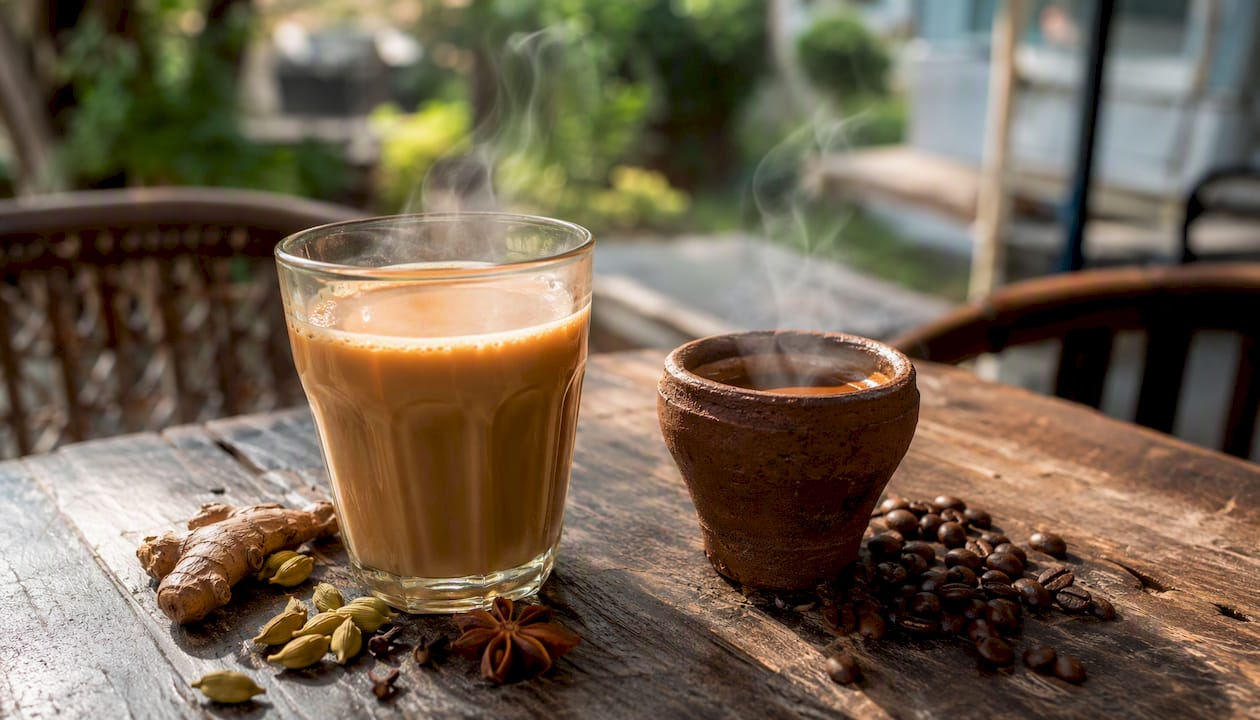
The L-theanine in black tea is the key differentiator for people who want focus without the edge. Coffee still wins for raw alertness when you genuinely need a fast, strong lift. For an afternoon drink or a second cup of the day, chai’s lower caffeine load and L-theanine buffer make it the more comfortable choice.
Pro Tip: If you are trying to reduce coffee dependence, swap your second coffee of the day for a masala chai. You get enough caffeine to avoid withdrawal headaches, plus the L-theanine to keep the afternoon calm.
What the research actually shows
The evidence base for masala chai’s health benefits is real but uneven. Here is an honest summary:
| Benefit | Best Evidence Type | Confidence Level |
|---|---|---|
| Ginger for nausea | Multiple human RCTs | High |
| Cinnamon for blood glucose | Multiple human RCTs (varied effect sizes) | Moderate–High |
| Black tea polyphenols for cardiovascular markers | Human observational + some RCTs | Moderate |
| Antioxidant activity of spices | In vitro, animal, some human | Moderate (mechanism clear) |
| L-theanine + caffeine for focus | Human RCTs | High |
| Weight management | Mostly observational, animal | Low–Moderate |
| Antimicrobial / immune support | Primarily in vitro | Low (for whole-cup intake) |
PubMed-indexed human trials on ginger and cinnamon provide the strongest individual-spice evidence. The important caveat: most spice studies use concentrated extracts at doses higher than a typical cup of chai delivers. A cup of chai is not a supplement. It contributes meaningfully to a healthy diet, but it will not replicate the effect sizes seen in high-dose clinical trials. For a deeper look at how individual herbs like ginger work at the cellular level, this overview of potent herbs for cellular health covers the mechanisms in useful detail.
Key Takeaways
Masala chai delivers genuine, research-supported health benefits when brewed with real spices, minimal added sugar, and consumed as part of a balanced diet.
| Point | Details |
|---|---|
| Strongest evidence | Ginger for nausea (RCTs at 1–1.5 g/day) and cinnamon for blood glucose (10–30 mg/dL reductions in some trials) |
| Antioxidant value | Black tea polyphenols plus high-ORAC spices (cloves, cinnamon) make chai one of the more antioxidant-rich daily beverages |
| Energy advantage | L-theanine from black tea buffers caffeine, producing steadier focus with less jitteriness than coffee |
| Key caution | Premixed concentrates can exceed 30 g added sugar per serving; homemade or quality premix is the better choice |
| Dropoutchaiwala option | Dropoutchaiwala’s masala chai premix uses traditional spices in a controlled blend, making it easy to get the health-forward cup without measuring every ingredient |
The honest case for chai as a daily habit
Most wellness writing about masala chai either oversells it as a cure-all or dismisses it as a sugary café trend. Neither framing is accurate. The spices in a well-made cup, specifically ginger, cinnamon, and cloves, carry genuine bioactive compounds with documented effects in human research. The black tea base adds cardiovascular and cognitive support that decades of epidemiological data back up.
What chai cannot do is replace a healthy diet, treat a diagnosed condition, or deliver clinical-dose spice effects from a single cup. Registered dietitians are right to frame it as a supportive habit rather than a therapeutic intervention. The value is cumulative: a daily cup of low-sugar masala chai, made with real spices, contributes antioxidants, anti-inflammatory compounds, and a gentler energy lift than most people’s current morning drink. That is a meaningful upgrade, not a miracle.
The Ayurvedic tradition that gave us masala chai understood something modern nutrition science is only now quantifying: food as daily ritual, with intention and quality ingredients, is its own form of medicine. Not the dramatic kind. The quiet, consistent kind.
Authentic masala chai, made easy with Dropoutchaiwala
Getting the spice ratios right every morning is where most people give up and reach for a sugary concentrate. Dropoutchaiwala’s masala chai premix solves that problem directly. Each pouch is blended with traditional spices, including ginger and cardamom, in proportions that reflect India’s chai heritage rather than a watered-down Western approximation.

For readers who want to explore the full range, the chai premix collection includes ginger-forward, cardamom, classic, and masala blends, so you can match the cup to your wellness goal for the day. No measuring, no guesswork on ratios, and no 30-gram sugar bomb hiding in the pouch. Head to Dropoutchaiwala to browse the range and find the blend that fits your routine.
Useful sources and further reading
The following sources were used in building this article. Evidence quality varies by outcome, and readers are encouraged to check the original studies before drawing clinical conclusions.
- https://pmc.ncbi.nlm.nih.gov/articles/PMC3767714/
- Chai Tea: Is It Good for You? Pros and Cons, Nutrition Information, and More
- How Chai Tea Can Improve Your Health
- https://www.consumerreports.org/health/tea/what-is-chai-and-is-it-good-for-you-a6570077882/
- Looking for a way to ditch that afternoon coffee? Here are the health benefits of chai tea
- ncbi.nlm.nih.gov
- ncbi.nlm.nih.gov
- pubmed.ncbi.nlm.nih.gov
